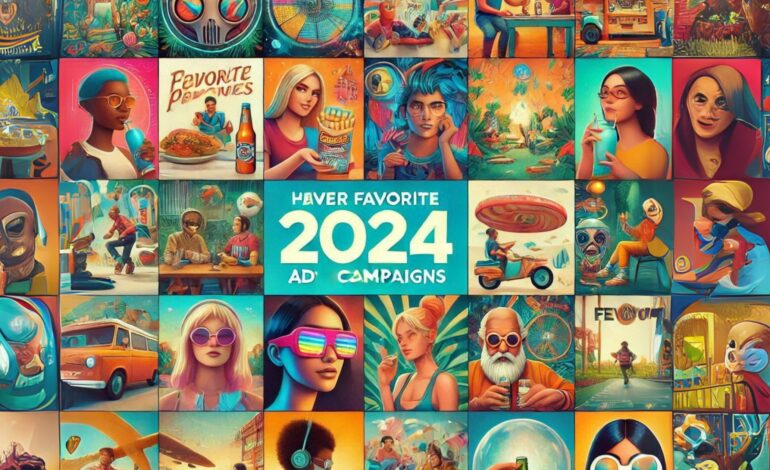
In the fast-evolving digital landscape, Generative AI and social media stand out as two of the most influential and transformative technologies. Their rapid advancements and widespread adoption have reshaped how we communicate, create, and consume content. This article explores the key differences, intersections, and impacts of Generative AI and social media.
What is Generative AI?
Generative AI refers to a subset of artificial intelligence that focuses on creating new content, such as text, images, music, and more. Unlike traditional AI, which operates based on pre-programmed rules, Generative AI uses complex algorithms and neural networks to generate novel outputs based on input data. Popular examples include OpenAI’s GPT-3 and DALL-E, which can produce human-like text and realistic images from textual descriptions, respectively.
What is Social Media?
Social media encompasses platforms and applications that enable users to create, share, and interact with content and each other. These platforms, including Facebook, Twitter, Instagram, and TikTok, have revolutionized communication and content consumption, fostering global connectivity and community building.
Key Differences
Purpose and Functionality
- Generative AI: Primarily focuses on content creation through AI-driven processes, generating original text, images, music, and more.
- Social Media: Primarily functions as a platform for content sharing, communication, and social interaction among users.
User Interaction
- Generative AI: Interaction is often limited to providing input data and receiving generated outputs. It’s more of a one-way interaction.
- Social Media: Interaction is highly dynamic and multi-directional, with users engaging through likes, comments, shares, and direct messages.
Content Creation
- Generative AI: Automatically creates content based on algorithms and input data, often without human intervention.
- Social Media: Relies on user-generated content, with users creating and sharing their own posts, photos, videos, and stories.
Intersections and Synergies
Despite their differences, Generative AI and social media intersect and synergize in several ways:
Enhancing User Experience
Generative AI can enhance user experiences on social media by personalizing content recommendations, generating engaging content, and even creating custom filters and effects for photos and videos.
Automating Content Creation
Social media marketers and influencers leverage Generative AI to automate content creation, from generating catchy captions to producing visually appealing images, saving time and effort.
Data-Driven Insights
Social media platforms utilize Generative AI to analyze vast amounts of user data, providing insights into user behavior, preferences, and trends. This data-driven approach helps platforms improve user engagement and satisfaction.
Impacts on Society
Creativity and Innovation
Generative AI and social media have democratized content creation, allowing individuals and businesses to experiment with new ideas, styles, and formats. This democratization fosters creativity and innovation, driving the evolution of digital content.
Ethical Considerations
Both technologies raise ethical concerns, such as data privacy, misinformation, and algorithmic bias. It’s crucial to address these issues to ensure responsible and ethical use of Generative AI and social media.
Conclusion
Generative AI and social media, while distinct in their purposes and functionalities, intersect and synergize in powerful ways, shaping the future of digital communication and content creation. By understanding their differences and harnessing their combined potential, we can navigate the digital landscape with greater insight and innovation.